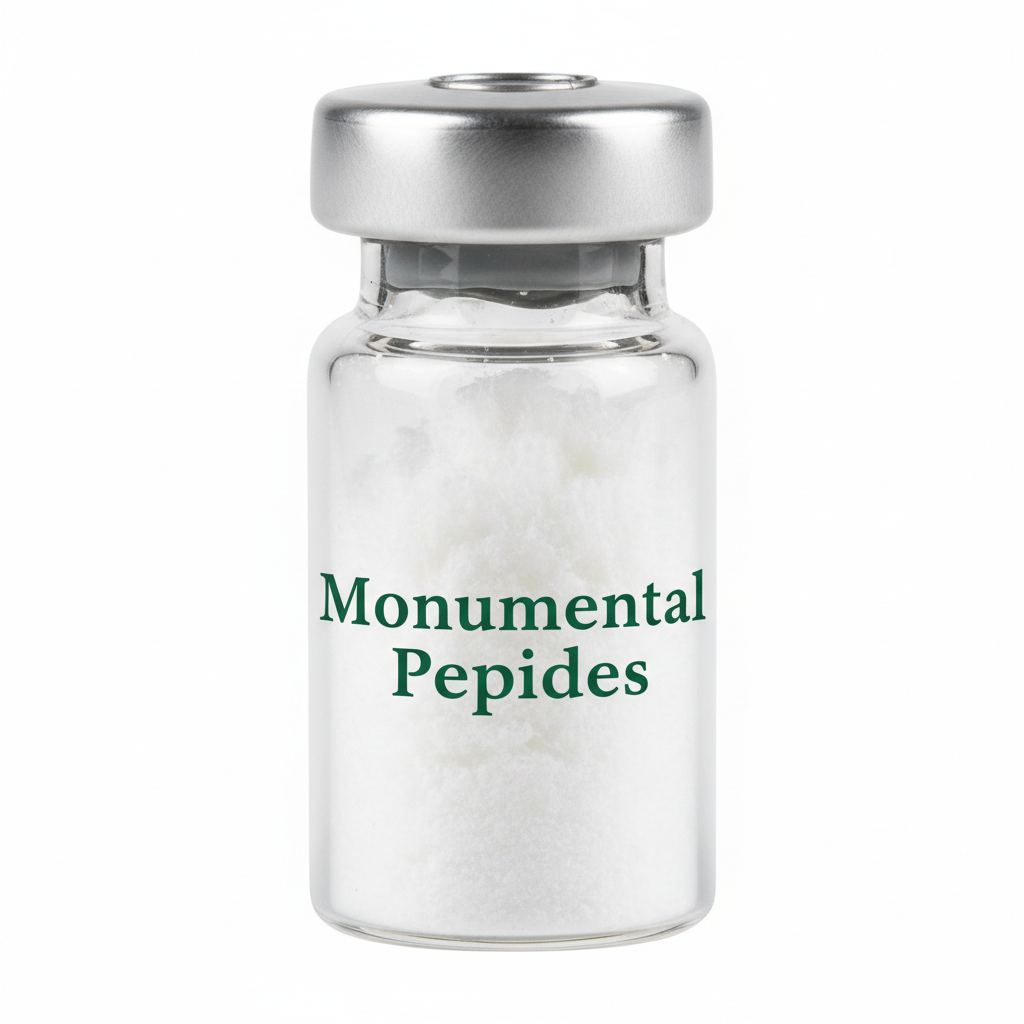
Melanotan II
MT-2 | Cyclic Lactam Analog of α-MSH | 10mg
Melanotan II is a potent synthetic analog of the naturally occurring alpha-melanocyte-stimulating hormone (α-MSH). It binds with high affinity to melanocortin receptors MC1R through MC5R — the same receptor family central to skin pigmentation, energy homeostasis, sexual function signalling, and appetite regulation in in-vitro models.
Melanotan II's structural stability — achieved through its cyclic lactam bridge — gives it significantly greater receptor binding duration than native α-MSH, making it particularly valuable for sustained receptor activation assays and long-duration signalling studies.
⚠️ For in-vitro research and laboratory use only. Not for human or animal use.
Selank
Heptapeptide Tuftsin Analog | 5mg
Selank is a synthetic heptapeptide developed from the naturally occurring immunomodulatory tetrapeptide tuftsin. It has been one of the most extensively studied anxiolytic peptides in preclinical neurological research, with particular focus on its interactions with GABAergic, serotonergic, and dopaminergic systems — the same neurotransmitter networks targeted by conventional anti-anxiety compounds.
Its engineered resistance to enzymatic degradation gives Selank a longer active window in cell culture media compared to native tuftsin, making it an ideal tool compound for sustained neurological receptor binding studies and nootropic pathway research.
⚠️ For in-vitro research and laboratory use only. Not for human or animal use.
CJC-1295 with DAC
Long-Acting GHRH Analog | Drug Affinity Complex | 2mg
CJC-1295 with DAC is the long-acting version of the growth hormone-releasing hormone analog, engineered with a Drug Affinity Complex (DAC) that allows it to covalently bind to serum albumin. This dramatically extends its active half-life — from minutes to days in plasma-based research models — making it the preferred GHRH analog for studies requiring sustained, pulsatile growth hormone stimulation.
Compared to CJC-1295 without DAC, this compound produces a sustained "bleed" of GH release rather than a sharp pulse — a distinction highly valued in long-duration in-vitro and plasma-based study designs focusing on tissue regeneration and body composition pathways.
⚠️ For in-vitro research and laboratory use only. Not for human or animal use.
Retatrutide
GLP-1 / GIP / Glucagon Triple Receptor Agonist | 10mg
Retatrutide (LY3437943) represents the cutting edge of metabolic peptide research. As the world's first triple incretin receptor agonist — simultaneously targeting GLP-1, GIP, and glucagon receptors — it has produced some of the most striking body composition data seen in any compound class, with clinical research reporting average weight reductions exceeding 24% in trials. It is now one of the most in-demand research compounds globally.
Its triple-agonist mechanism distinguishes Retatrutide from semaglutide (GLP-1 only) and tirzepatide (dual GLP-1/GIP) — making it the most comprehensive tool compound currently available for incretin pathway research and next-generation metabolic disease modelling.
⚠️ For in-vitro research and laboratory use only. Not for human or animal use.
Glutathione
Reduced L-Glutathione (GSH) | 1500mg
Glutathione is the body's master antioxidant — a tripeptide found in virtually every cell, responsible for neutralising free radicals, recycling other antioxidants (including vitamins C and E), and driving Phase II liver detoxification. Levels decline significantly with age, stress, and illness, making GSH one of the most studied molecules in longevity and cellular health research.
The reduced form (GSH) is the biologically active form of glutathione. Research consistently shows that maintaining intracellular GSH levels is associated with reduced markers of inflammation, slowed cellular ageing, improved immune cell function, and enhanced neurological protection — making this compound foundational to a wide range of longevity and disease research models.
⚠️ For in-vitro research and laboratory use only. Not for human or animal use.
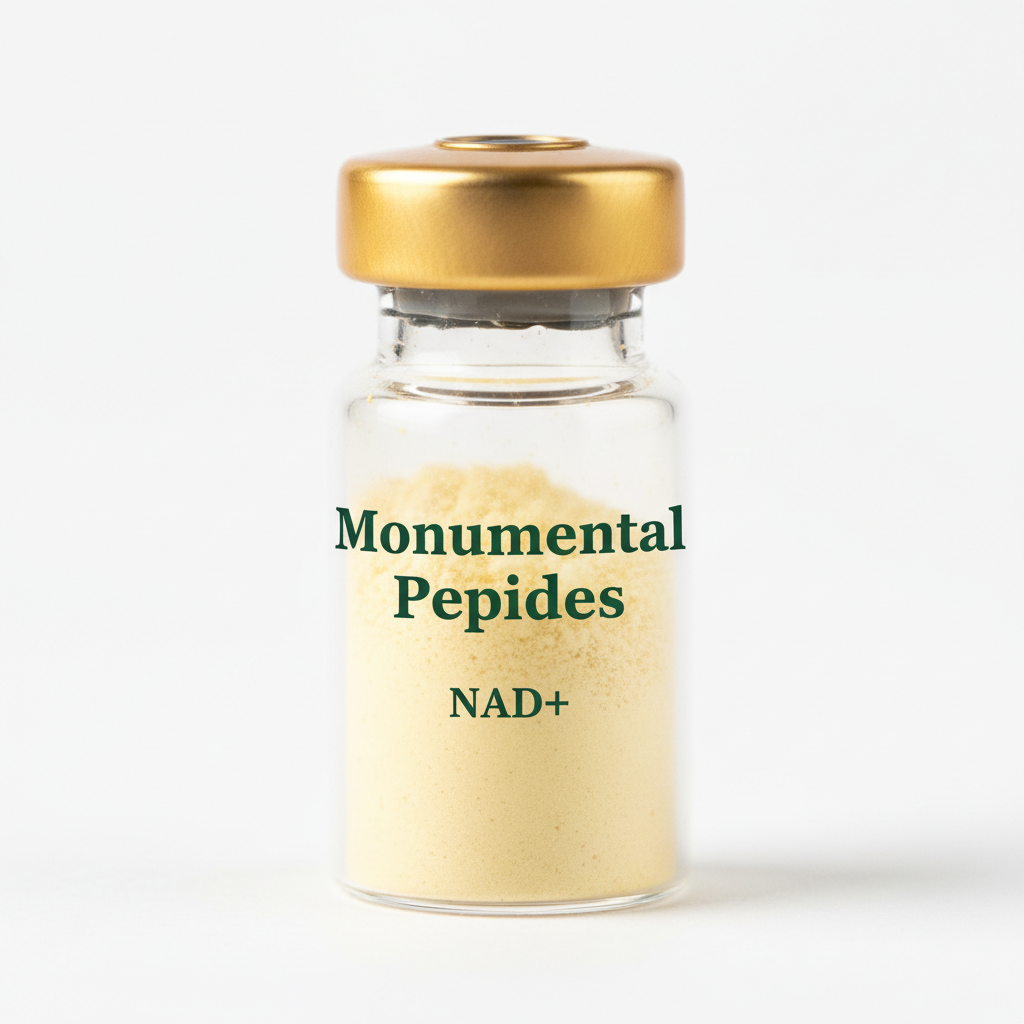
NAD⁺
Nicotinamide Adenine Dinucleotide | 500mg
NAD⁺ is arguably the most important coenzyme in the human body — involved in over 500 enzymatic reactions, central to cellular energy production, DNA repair, and the activation of sirtuins (the so-called "longevity proteins"). NAD⁺ levels drop by up to 50% between the ages of 40 and 60, a decline directly linked to age-related deterioration in cellular function, energy metabolism, and cognitive performance.
At 500mg, this preparation provides substantial research substrate for complex multi-assay studies. NAD⁺ research has accelerated dramatically in recent years, driven by findings linking NAD⁺ repletion to reversal of age-associated cellular decline in multiple tissue types — making this compound essential to any serious longevity or metabolic research programme.
⚠️ For in-vitro research and laboratory use only. Not for human or animal use.
Semax
ACTH(4-7)-PGP Neuropeptide | 5mg
Semax is a synthetic heptapeptide derived from the ACTH(4-10) fragment, originally developed by the Institute of Molecular Genetics of the Russian Academy of Sciences. It has accumulated one of the strongest preclinical research profiles of any nootropic peptide — particularly for its ability to rapidly upregulate BDNF (Brain-Derived Neurotrophic Factor), the primary growth factor responsible for neuronal survival, plasticity, and the formation of new memory circuits.
Unlike many neuropeptides, Semax demonstrates exceptional enzymatic stability in biological media — resisting rapid breakdown and maintaining activity over extended periods in cell culture assays. This makes it especially valuable for researchers studying sustained neurotrophic effects, dopaminergic pathway modulation, and serotonergic signalling in the context of cognitive performance and mood regulation.
⚠️ For in-vitro research and laboratory use only. Not for human or animal use.
Ipamorelin
Selective GH Secretagogue Pentapeptide | 5mg
Ipamorelin is widely regarded as the cleanest and most selective growth hormone secretagogue available for research. Unlike older GH-releasing compounds, Ipamorelin stimulates GH release without meaningfully raising cortisol, prolactin, or ACTH — making it the preferred tool compound for research focused on the isolated effects of GH elevation on tissue composition, recovery, and metabolic function.
Its pentapeptide structure and high receptor selectivity mean minimal off-target effects in cell assays — a critical advantage for researchers who need to isolate GH pathway responses without confounding cortisol or prolactin variables. Purity of ≥99% (HPLC verified) makes this one of the highest-grade Ipamorelin preparations available.
⚠️ For in-vitro research and laboratory use only. Not for human or animal use.
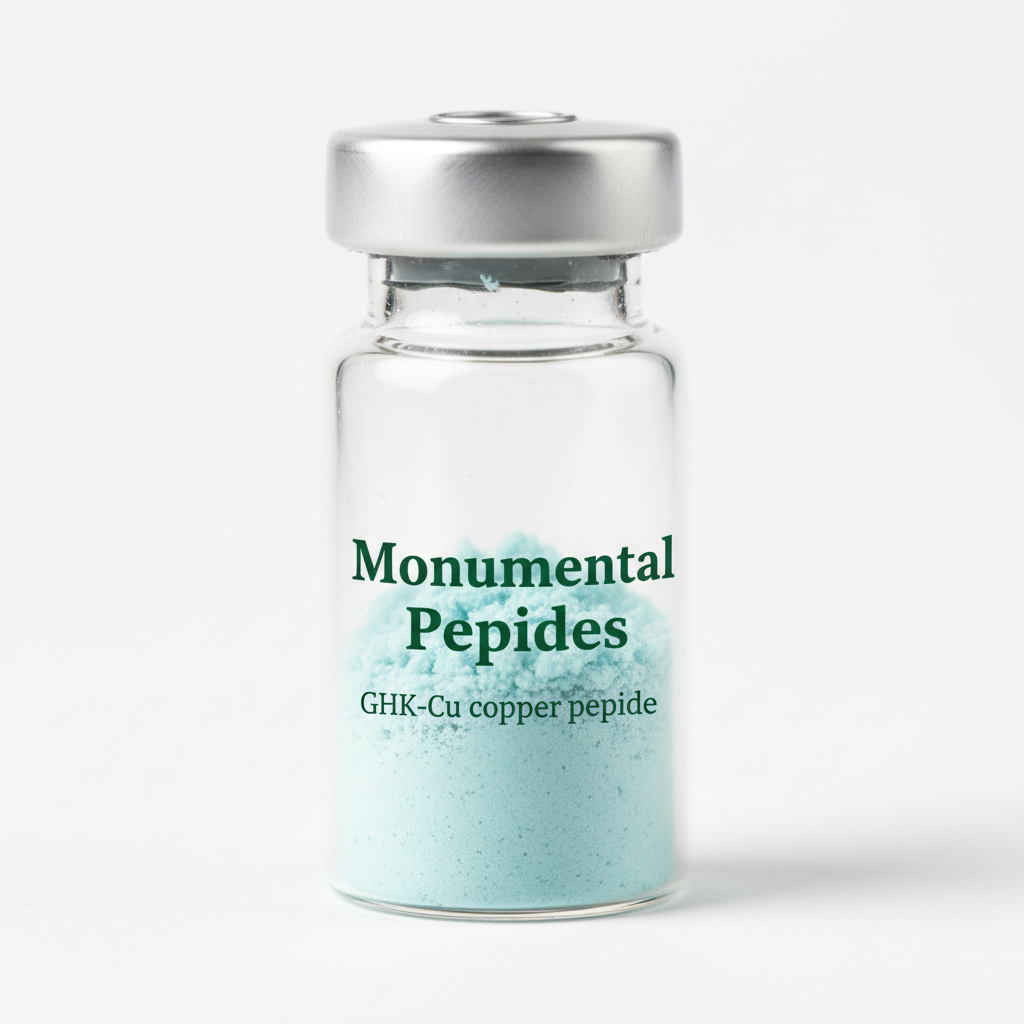
GHK-Cu
Copper(II) Glycyl-L-Histidyl-L-Lysine Complex | 100mg
GHK-Cu is one of the most remarkable and multi-faceted compounds in the entire peptide research space. This naturally occurring copper-binding tripeptide — originally isolated from human plasma — has been shown in peer-reviewed research to influence the expression of over 4,000 human genes, with the majority of effects directed towards tissue repair, anti-inflammatory pathways, and cellular regeneration. Its distinctive pale blue colour is a result of the copper(II) chelation.
At 100mg, this is an unusually generous research quantity — ideal for multi-arm studies, long-duration gene expression assays, or repeated-measure designs. GHK-Cu's broad gene-regulatory activity and strong safety profile in in-vitro models have made it one of the most cited peptides in regenerative medicine and cosmetic biology research over the past two decades.
⚠️ For in-vitro research and laboratory use only. Not for human or animal use.